
Taking care of our hearing health is often overlooked until discomfort sets in. One of the most common issues people face is wax build-up inside the canal. While it serves an important role in protecting and lubricating the inner passage, too much can create problems ranging from irritation to temporary hearing loss. Choosing a safe ear wax cleaner and following the right practices ensures you look after your hearing without causing harm.
This guide explains why wax forms, highlights safe do’s and don’ts, and explores when to seek professional support.
Do’s and Don’ts for Safe Cleaning
Caring for your ears is all about balance. Too much interference can be as harmful as ignoring symptoms. Below are some essentials to keep in mind:
Do’s
- Use gentle solutions: Softening drops can loosen hardened wax so it clears naturally.
- Seek professional guidance: If you notice pain, dizziness, or persistent blockage, let a specialist handle it.
- Keep ears dry: Moisture can encourage infection, so dry carefully after swimming or bathing.
- Pay attention to symptoms: Signs like ringing, pressure, or reduced hearing shouldn’t be ignored.
Don’ts
- Avoid cotton swabs: These push wax deeper instead of removing it.
- Never insert sharp tools: Pins or clips can cause injury to delicate tissues.
- Don’t over-clean: Ears are partly self-cleaning, so constant interference can strip natural protection.
- Skip unsafe home remedies: Candling and other DIY tricks may do more harm than good.
Following these do’s and don’ts helps reduce the risk of discomfort and long-term problems.
Why Build-Up Happens
Cerumen (wax) is produced naturally to protect against dust, bacteria, and dryness. In most people, it gradually works its way out without help. Problems arise when the body produces too much or when it becomes trapped. This leads to earwax blockage, which can interfere with hearing or cause irritation.
Common reasons include:
- Naturally narrow canals that make natural clearance difficult
- Regular earbud or hearing aid use, which prevents wax from moving outward
- Excessive production due to genetics or skin conditions
- Aging, which often makes wax drier and harder
When a blockage forms, you may notice muffled hearing, itchiness, or a feeling of fullness in the canal. Recognizing these signs early allows for safe intervention before more serious issues develop.
When Professional Help is Needed
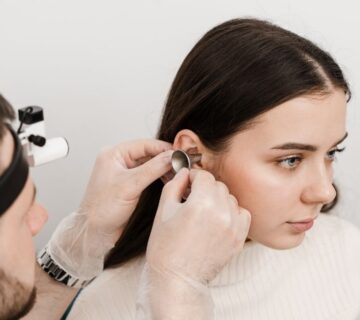
Mild build-up can often be managed at home with softening drops, but some situations require medical care. If symptoms persist despite home remedies, a visit to an ear doctor Brisbane or another qualified professional is the safest option.
Specialists may use techniques like:
- Irrigation: Gentle flushing with warm water to remove softened wax
- Suction: A controlled method to lift wax out without pushing it deeper
- Microsuction: A precise, low-risk procedure often used in clinics
You should seek professional help if you:
- Experience sudden hearing loss or pain
- Have a history of ear surgery or chronic conditions
- Use hearing aids and frequently deal with wax accumulation
- Suffer from recurring infections or persistent discomfort
Professional care ensures blockages are cleared safely while checking for any underlying conditions that may be contributing to the problem.
Long-Term Care Tips
Healthy ears require consistent but gentle care. Here are some steps that support long-term comfort:
- Limit prolonged headphone use: Give your canals time to clear naturally.
- Stay hydrated: Proper hydration helps keep wax soft and easier to expel.
- Maintain outer hygiene only: Clean around the entrance carefully without inserting objects.
- Schedule periodic check-ups: Routine visits can prevent unnoticed issues.
These practices lower the chances of recurring blockages and support your overall hearing health.
Safe At-Home Methods
If you choose to manage mild wax at home, stick to safe techniques:
- Use a trusted ear wax cleaner solution recommended by healthcare providers.
- Allow wax to soften and exit naturally instead of forcing removal.
- Avoid water jets or syringes unless specifically advised by a professional.
These approaches respect the body’s natural cleaning mechanism while reducing the risk of injury.
Conclusion
Caring for your ears doesn’t need to be complicated, but it does require awareness and safe habits. While cerumen plays an important protective role, it can become problematic when it builds up. Knowing the do’s and don’ts, recognizing early symptoms, and seeking professional support when necessary are key steps toward long-term comfort.
Using the best ear wax cleaner can help manage mild cases, while timely guidance from a specialist ensures safe resolution of more persistent problems. At Total Ear Hygiene, the emphasis is on safe practices, professional care, and preventive awareness that makes looking after your hearing both simple and effective. By adopting the right habits, you protect not only your ears but also your overall quality of life.