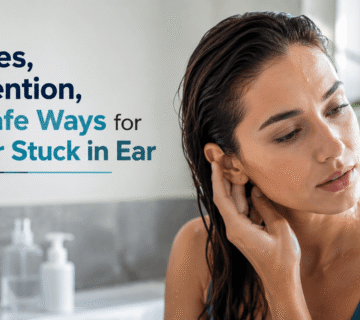

Cerumen, commonly known as wax, plays a protective role within the auditory canal. It traps dust, debris, and microorganisms, preventing them from reaching delicate internal structures. However, excessive accumulation can lead to discomfort, temporary hearing reduction, and irritation. Many individuals turn to an ear wax cleaner without understanding whether self-removal is appropriate. Recognising the symptoms and adopting safe management practices are essential for maintaining optimal auditory health.
While the body typically expels wax naturally through jaw movement and normal skin migration, certain factors can interfere with this process. Frequent use of earbuds, hearing aids, or cotton swabs may push material deeper, contributing to impaction.
Common Symptoms of Wax Accumulation
Build-up does not always cause immediate discomfort. Gradual accumulation may go unnoticed until it affects hearing clarity or causes irritation.
Common indicators include:
- Muffled or reduced hearing
- A sensation of fullness
- Mild itching within the canal
- Occasional ringing sounds
- Dizziness in severe cases
When these signs appear, professional evaluation helps determine whether removal is necessary.
Why Excess Accumulation Occurs
Several factors contribute to impaction. Narrow canal anatomy, excessive production of wax, or repeated insertion of objects can disrupt natural expulsion.
Contributing factors often include:
- Frequent use of cotton swabs
- Use of in-canal headphones
- Regular swimming
- Skin conditions affecting the canal lining
Understanding these triggers helps prevent recurrence.
Prevention Through Proper Hygiene
Prevention remains more effective than corrective measures. Gentle cleaning of the outer portion of the canal during routine hygiene is generally sufficient.
The best way clean ears involves avoiding deep insertion of objects and allowing natural mechanisms to function. Instead of pushing material inward, maintaining external cleanliness supports natural drainage.
Preventive practices include:
- Wiping the outer area with a damp cloth
- Avoiding sharp or pointed tools
- Limiting frequent insertion of earbuds
- Seeking periodic professional check-ups
Such habits reduce the likelihood of blockage.
Risks of Improper Self-Removal
Attempting to extract wax with cotton swabs, hairpins, or improvised tools may cause injury or push debris further inward. This can result in irritation, inflammation, or infection.
Potential complications include:
- Abrasion of the canal lining
- Increased risk of bacterial growth
- Temporary hearing loss
- Pain or swelling
Professional care ensures safe removal without damaging sensitive structures.
Safe Clinical Removal Techniques
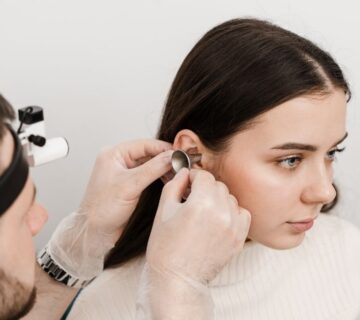
Medical professionals use specialised equipment designed to clear impaction safely and efficiently. These procedures are performed under direct visualisation to prevent trauma.
Common removal methods include:
- Microsuction using controlled suction devices
- Gentle irrigation with sterile solution
- Manual extraction with precision instruments
- Softening drops prior to removal
These techniques restore hearing clarity and alleviate discomfort.
Recognising When Professional Care Is Needed
Mild accumulation may resolve naturally, but persistent symptoms require evaluation. Pain, discharge, or worsening hearing difficulty should prompt immediate consultation.
Individuals experiencing recurring issues may benefit from periodic blocked ear treatment to maintain canal health. Structured care reduces the risk of infection and preserves auditory function.
Role of Moisture and Environmental Factors
Humidity, swimming, and use of hearing aids can contribute to wax retention. Moisture may combine with debris, forming a hardened mass that restricts airflow and sound transmission.
Preventive strategies include:
- Drying canals thoroughly after swimming
- Using protective plugs when appropriate
- Regular monitoring if prone to build-up
- Avoiding excessive cleaning
Balanced care maintains both hygiene and natural protective function.
Long-Term Maintenance and Hearing Health
Routine monitoring supports sustained auditory clarity. Individuals with recurrent accumulation may require scheduled professional cleaning to prevent impaction.
Long-term maintenance ensures:
- Clear sound transmission
- Reduced infection risk
- Comfort during daily activities
- Preservation of overall hearing health
Consistent preventive care minimises the need for emergency intervention.
Conclusion
Cerumen serves an essential protective purpose, yet excessive accumulation can compromise hearing and comfort. Recognising early symptoms, practising preventive hygiene, and avoiding unsafe self-removal methods are vital for maintaining canal health. Professional evaluation ensures safe, effective clearance when impaction occurs.
For individuals seeking reliable ear cleaning gold coast, Total Ear Hygiene provides structured clinical care focused on safe removal and long-term auditory well-being. Timely attention and appropriate preventive measures remain central to preserving clear hearing and overall comfort.